Source Diesel Gear Drive Combine Harvester for Corn, Wheat, and Rice
Explore 30 listings for the diesel gear drive combine harvester designed for corn, wheat, and rice. Buyers can compare specifications like cutting width, engine power, and transmission types to find the right equipment for their agricultural needs; compare the available evidence and request quotations based on your requirements.
Key considerations
Products List


$21.00 - $25.00
Moq: 10


Model 4lz-5.0z Combine Harvester
$13500.00 - $14500.00
Moq: 1
Deyang City Jinxing Agricultural Machinery Manufacturing Co., Ltd.


2024 Version Cabin Type Combine Harvester
$13500.00 - $14500.00
Moq: 3
Deyang City Jinxing Agricultural Machinery Manufacturing Co., Ltd.


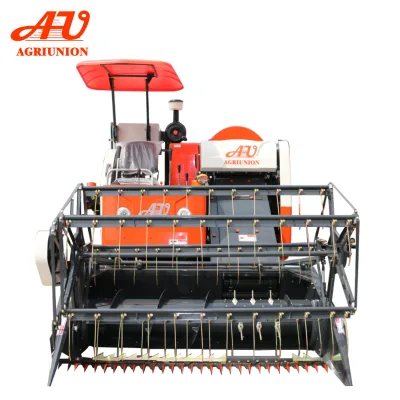


Comprehensive Sourcing Guide
Diesel Gear Drive Combine Harvester Sourcing Guide
Procuring a diesel gear drive combine harvester requires a disciplined approach to aligning mechanical specifications with agricultural operational demands. Buyers must prioritize the transmission system’s durability, as gear drives offer superior torque transfer and reliability compared to belt-driven alternatives under heavy loads. The observed market signals indicate a strong presence of horizontal structure models designed for efficient crop cutting and threshing. These machines typically feature robust diesel engines, such as the 192f variant, which provide the necessary power output for continuous field operations. Understanding the mechanical linkage between the engine and the cutting header is essential for ensuring consistent performance across varying crop densities.
The sourcing landscape reveals a diverse range of portable and backpack-style harvesters, alongside larger horizontal units capable of handling multiple crop types. Listings frequently highlight applications for corn, soybeans, rice, and wheat, indicating the versatility of modern gear drive systems. Buyers should note that while some models are marketed as portable, others are substantial agricultural implements requiring specific mounting or towing capabilities. The distinction between simple cutting tools and full combine harvesters is critical; true combines integrate threshing and cleaning mechanisms. Sourcing guides must therefore emphasize the need to verify the complete harvesting workflow, ensuring the selected machine matches the specific crop handling requirements of the target farm or contracting service.
Product Scope and Observed Listing Signals
The current market listings demonstrate a wide variance in product configurations, ranging from lightweight handheld units to heavy-duty horizontal harvesters. Observed specifications include cutting widths from 50mm to 2.1m, reflecting the spectrum from small-scale gardening tools to industrial agricultural machinery. Models like the 0.6B and 4GL series suggest standardized industrial designs, while others like the 4LZ-5.0Z indicate larger capacity units. Buyers must carefully distinguish between these categories, as the operational scope and power requirements differ significantly. The presence of iron frame and wooden box packing suggests that these units are designed for international shipping, requiring careful handling to prevent damage to delicate gear components during transit.
Price points observed in the listings span from $21 to $30,000, highlighting the extreme diversity in product value and capability. This range encompasses everything from simple shovel attachments to complex, engine-powered combine harvesters with rubber tracks and advanced feeding capacities. The minimum order quantity (MOQ) is frequently listed as one piece, facilitating trial purchases for smaller operations. However, buyers should be aware that lower-priced items may lack the robust gear drive systems or diesel engines found in higher-tier models. The mention of specific engine brands like Changchai and power outputs such as 88HP provides a benchmark for evaluating the mechanical strength of the listed harvesters.
Technical Specifications to Verify
Verifying the transmission type is paramount when sourcing gear drive harvesters, as this component dictates maintenance frequency and operational longevity. Buyers must confirm that the drive system utilizes a true gear mechanism rather than a V-belt or soft shaft, which may be present in less durable models. The observed data includes both gear drives and soft shaft transmissions, necessitating careful scrutiny of product descriptions. Additionally, the engine specifications, such as the 192f diesel engine or 88HP variants, should be cross-referenced with the machine’s weight and cutting width to ensure adequate power delivery. Mismatched power and load can lead to premature failure of the gear box or engine overheating during peak harvest seasons.
Cutting width and harvesting capacity are critical technical parameters that must align with the buyer’s field size and crop type. Listings show cutting widths ranging from 80-100cm to 2.2m headers, each suited for different operational scales. Buyers should verify the feeding capacity, such as the observed 5kg/s, to ensure the machine can keep pace with the crop yield. The structure type, whether horizontal or backpack, also impacts maneuverability and operator ergonomics. Furthermore, the material composition, often cited as iron, should be assessed for corrosion resistance and structural integrity. Ensuring these technical details are accurately documented in the purchase order prevents discrepancies upon delivery and ensures the machine meets the intended agricultural application.
Compliance and Safety Documentation
Compliance with international safety and quality standards is essential for importing agricultural machinery, particularly when dealing with diesel-powered equipment. The observed certifications include CE, ISO9001, GMP, and QS, which indicate adherence to specific manufacturing and safety protocols. Buyers must request valid certification documents to verify that the supplier has undergone rigorous quality control processes. The CE mark, in particular, is crucial for markets in Europe and other regions requiring strict machinery safety regulations. Ensuring that the documentation is current and matches the specific model number prevents customs delays and legal liabilities associated with non-compliant equipment.
Safety features and operational manuals are equally important components of the compliance package. Buyers should verify that the harvester includes necessary guards, emergency stop mechanisms, and clear operational instructions in the local language. The observed packing methods, such as iron frames and wooden boxes, should be evaluated for their ability to protect safety-critical components during shipping. Additionally, the presence of a rubber track system, as noted in some listings, requires specific maintenance guidelines to ensure safe operation on uneven terrain. Buyers must ensure that the supplier provides comprehensive training materials or video guides to mitigate the risk of operator error, which is a common cause of accidents in agricultural machinery.
Cost Drivers and Commercial Terms
The cost of a diesel gear drive combine harvester is influenced by several key factors, including engine brand, cutting width, and transmission complexity. Higher horsepower engines and wider cutting headers typically command premium prices, reflecting the increased material and manufacturing costs. The observed price range of $21 to $30,000 underscores the impact of these variables on the final quote. Buyers should request detailed breakdowns of costs to understand the value proposition of each component. It is also important to consider the total cost of ownership, including fuel consumption, spare parts availability, and expected maintenance intervals, which can significantly affect long-term profitability.
Commercial terms such as MOQ, lead time, and shipping logistics play a crucial role in the procurement process. While many suppliers list an MOQ of one piece, bulk orders may offer better pricing and shipping efficiency. The observed loading plan of three units per 40HC container provides a benchmark for calculating freight costs. Buyers should negotiate clear terms regarding payment methods, warranty coverage, and after-sales support. Understanding the supplier’s location, such as Shandong, can also help in assessing the reliability of the supply chain and the ease of accessing technical support. Transparent commercial terms help mitigate financial risks and ensure a smooth transaction from order placement to machine delivery.
Supplier Qualification and Quality Control
Supplier qualification is a critical step in ensuring the reliability of the purchased machinery. Buyers should verify the supplier’s business license, manufacturing capabilities, and export history to assess their credibility. The observed origin of China, particularly Shandong, indicates a hub for agricultural machinery production, but it also necessitates thorough due diligence. Requesting factory audit reports or third-party verification can provide insights into the supplier’s quality management systems. Suppliers with ISO9001 certification are generally more likely to adhere to consistent manufacturing standards, reducing the risk of defects in the gear drive system or engine assembly.
Quality control measures should be implemented throughout the production and shipping process. Buyers should specify inspection points for critical components such as the gear box, engine, and cutting header. Pre-shipment inspections can identify potential issues before the machine leaves the factory, allowing for timely corrections. The observed packing methods, including wooden boxes and iron frames, should be verified to ensure they meet international shipping standards. Additionally, buyers should establish clear communication channels with the supplier for addressing any post-delivery issues. A robust quality control strategy helps protect the buyer’s investment and ensures that the harvester performs reliably in the field.
Long-Term Procurement Checks
Long-term procurement success depends on establishing a sustainable relationship with the supplier and ensuring ongoing support for the machinery. Buyers should monitor the supplier’s performance over multiple orders, tracking delivery times, product consistency, and responsiveness to issues. The availability of spare parts is crucial for maintaining the harvester’s operational uptime, especially during peak harvest seasons. Buyers should verify the supplier’s inventory of critical components such as gears, belts, and engine parts. Establishing a long-term contract can secure better pricing and priority service, reducing the administrative burden of repeated sourcing efforts.
Continuous evaluation of the machinery’s performance in the field is essential for making informed future procurement decisions. Buyers should collect data on fuel efficiency, maintenance frequency, and overall durability to assess the machine’s value. Feedback from operators can provide valuable insights into usability and safety features. Regularly reviewing the supplier’s product updates and new models can help buyers stay ahead of technological advancements in the agricultural machinery sector. By maintaining a disciplined approach to supplier management and performance monitoring, buyers can optimize their harvesting operations and achieve long-term cost savings.
FAQs
What is the cutting width of the diesel gear drive combine harvester?
The cutting width varies by model, with observed specifications ranging from 80 to 100 centimeters or up to 1.8 meters. Some units feature a fixed 1200 mm width, while others offer options like 1.2, 1.5, 1.8, or 2.1 meters depending on the specific configuration selected for your agricultural needs.
Which crops can this diesel gear drive combine harvester process?
This equipment is designed to harvest a wide variety of crops including rice, wheat, corn, soybeans, tubers, and straw. It is also suitable for forestry applications and fruit processing, making it a versatile tool for diverse agricultural operations requiring efficient cutting and harvesting capabilities across different field conditions.
What is the minimum order quantity for the diesel gear drive combine harvester?
The minimum order quantity is typically one piece, allowing buyers to purchase a single unit for immediate deployment. This low entry threshold supports small-scale farmers or testing scenarios, ensuring that procurement is flexible and accessible without requiring bulk commitments before evaluating the machine's performance in the field.
How is the diesel gear drive combine harvester powered and driven?
The machine operates using a diesel engine, with specific models featuring a 192f Diesel Engine or an 88HP Changchai engine. Power transmission is achieved through a gear drive system or a soft shaft, ensuring reliable mechanical power delivery to the cutting headers and feeding mechanisms for consistent harvesting performance.
What certifications does the diesel gear drive combine harvester hold?
The product carries multiple certifications including CE, ISO9001, GMP, and QS standards, indicating compliance with international safety and quality requirements. These credentials ensure that the machinery meets rigorous manufacturing protocols, providing buyers with assurance regarding the reliability and safety of the equipment for commercial agricultural use.
Can the diesel gear drive combine harvester be customized for specific needs?
Yes, customization is available to tailor the machine to specific operational requirements or regional standards. Buyers can request modifications to dimensions, power sources, or structural components, ensuring the final product aligns precisely with the unique demands of their farming environment and the specific crops they intend to harvest efficiently.
What is the weight and packing method for the diesel gear drive combine harvester?
Weights vary significantly by model, ranging from 3 pounds for smaller units to 380 kilograms for larger harvesters. The packing methods include iron frames, wooden boxes, or cartons, designed to protect the machinery during transit while ensuring secure handling and easy unpacking upon arrival at the destination farm or distribution center.